Intelligent Document Processing (IDP) is changing the way logistics companies handle paperwork. From bills of lading to commercial invoices, IDP tools help turn unstructured documents into structured, usable data. But what exactly is IDP, and how can supply chain teams benefit from it?
📌 What is Intelligent Document Processing in Logistics?
Intelligent Document Processing is a set of technologies that automatically extracts, understands, and integrates data from documents. In logistics, this applies to files such as:
- Commercial invoices
- Packing lists
- Bills of lading
- Proof of delivery (POD)
- Customs documentation
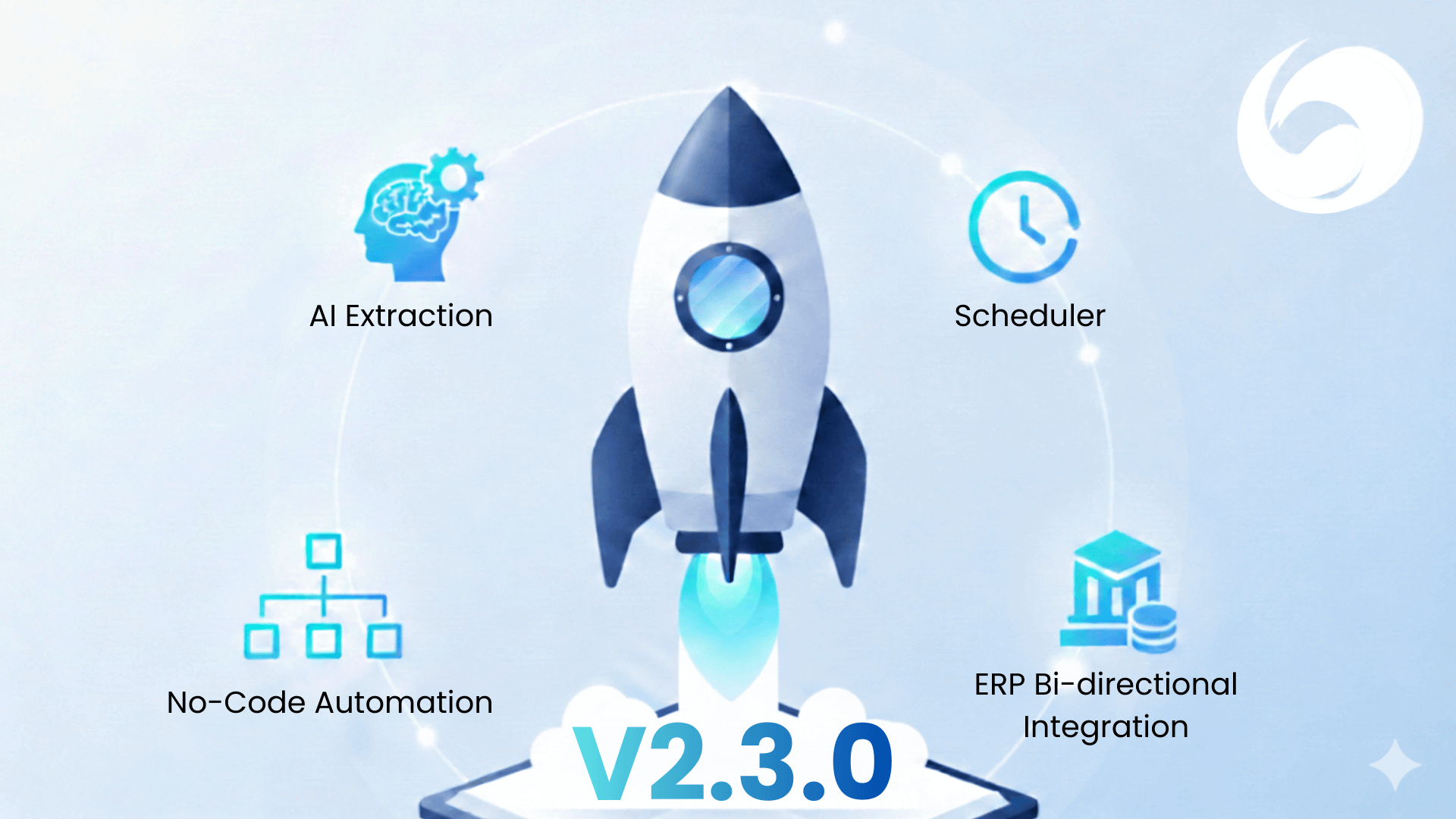
Rather than relying on manual entry or basic OCR, IDP solutions combine machine learning, OCR, and business rules to automate the full flow of document handling.
✅ What Problems Does IDP Solve in the Supply Chain?
Logistics teams often face these challenges:
- Documents arrive in mixed formats and layouts
- Key data is buried in long PDFs or scanned images
- Manual entry slows down shipments and causes errors
- Mismatches between shipment files and ERP records
IDP helps by:
- Extracting critical fields like shipment ID, item quantities, and HS codes
- Automatically classifying document types
- Validating data against ERP records
- Highlighting anomalies in real time
💡 How to Implement IDP in Your Logistics Workflo
- Start with one document type: For example, automate commercial invoices first.
- Define your extraction needs: What fields matter most? (e.g., PO number, destination, Incoterms)
- Train or configure your IDP model: Some solutions learn from examples; others are rules-based.
- Connect it to your ERP or WMS: So the data doesn’t get stuck in a folder.
- Monitor and improve: Use feedback to correct errors and refine performance.
🔍 Who Should Own IDP in the Organization?
- Operations Managers: For faster turnaround and shipment visibility
- IT and Automation Leads: To ensure data integrity and system integration
- Finance Teams: For smoother billing and fewer invoice mismatches
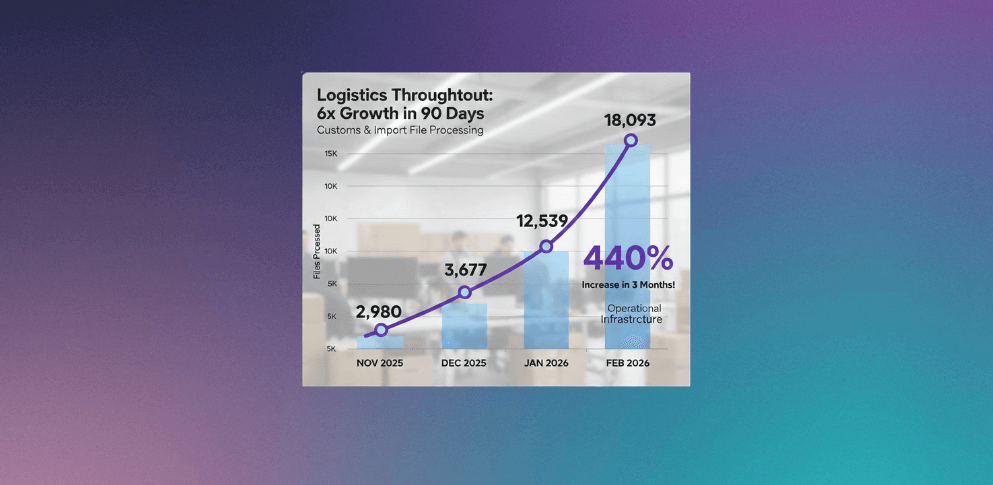
📊 Results You Can Expect
Companies that implement IDP in logistics report:
- Reduced shipment delays
- Fewer data entry errors
- Faster customs clearance
- Higher visibility across departments
Related Questions:
- What is intelligent document processing?
- Can IDP handle shipping documents?
- How do logistics companies use document automation?
- What’s the difference between OCR and IDP?
- What files can IDP extract data from?
Keywords: intelligent document processing, IDP for logistics, supply chain automation, document processing software, document automation in shipping